1-39
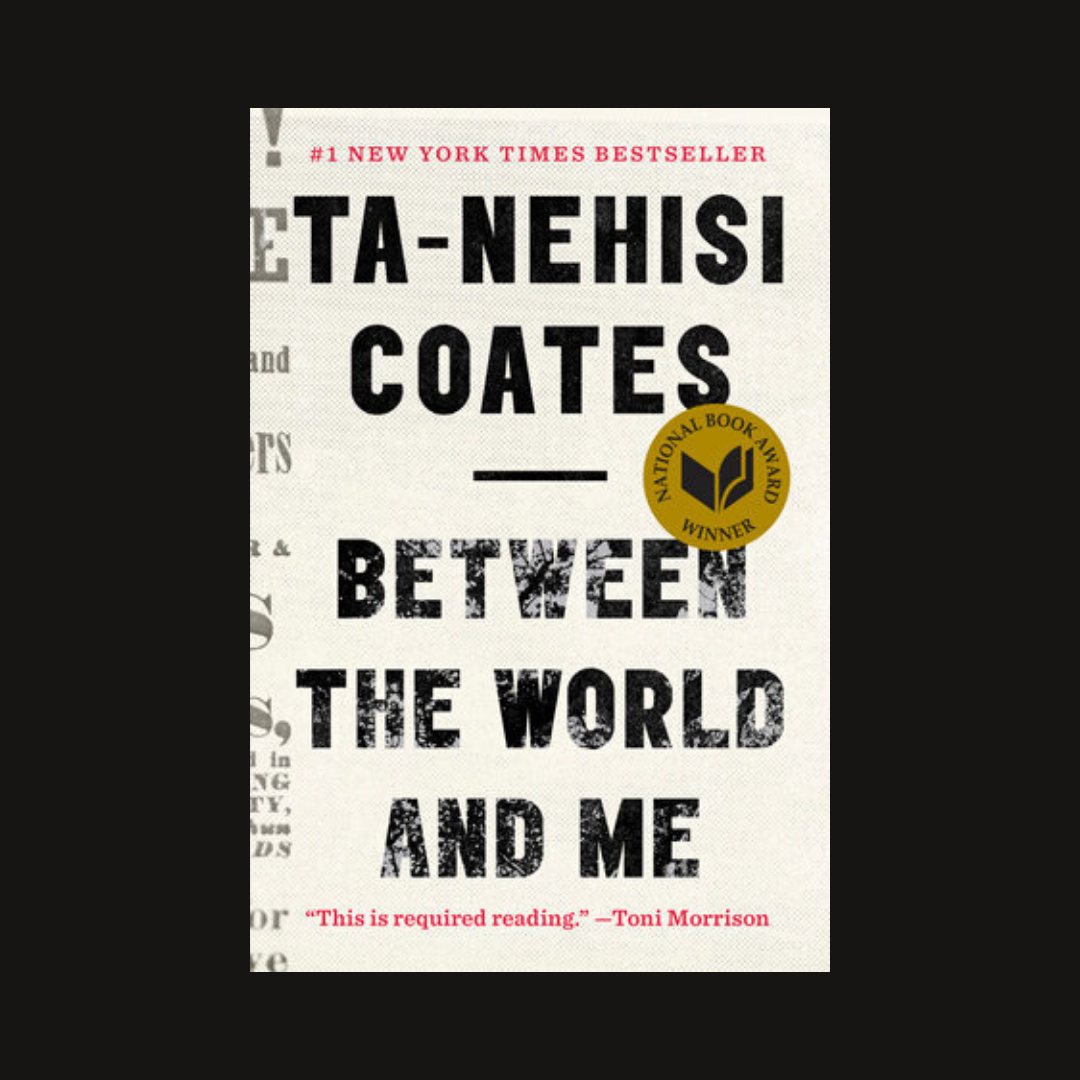
- “Race is the child of racism, not the father” (7). Let’s puzzle through what Coates might mean by this. To do so, we need to grasp a bit of how the idea of White as a race emerged – and how Black as a race emerged. We need to read more than just that sentence or that paragraph in Coates. It might help if we ask why Coates uses language like “believing themselves white” or “raised to be white.”
“Race is the child of racism” is the idea that the ‘reason’ comes after discrimination. It comes from an us vs them ideology. He talks about how hatred is always going to be there, if not for race than for something else. Similarly, “believing themselves white” is about the fact that we’re all the same species and race is a construct that humans created that divides us into unnecessary groups. White has also been used mostly as a tool to discriminate. Coates uses “raised to be white” as a way to describe privilege. It’s people establishing an unnecessary and unethical division and classification.
- Body. Find two places where Coates focuses on the matter of the body. Why do you think the “body” seems to loom so large for Coates? Explain.
“It does not matter if the agent of those forces is white or black — what matters is our condition, what matters is the system that makes our body break” (18). This quote comes after the section describing parents beating their children to teach them lessons. With this section emerges the idea that life is going to hurt these black kids no matter what, but it is better if the harm is coming from parents, who have mercy.
I think “body” is important to Coates because the right to feel safe, the right to not fear being beaten or killed for one’s appearance is being taken away from the black community and other minorities. I think he tries to emphasize the idea of “body” because it is something that everyone who is reading the book has either experienced or needs to be exposed to. As he mentioned in the interview section, the interviewer didn’t seem to understand the amount of privilege white people have. It may not be that a person is outright racist, they may just be ignorant to the discrimination around them, but that is just as dangerous. Body makes Coates’ ideas more understandable to people who may not have those same experiences.
- The “Dream.” This idea is important throughout the book. Let’s find a passage in our section where Coates discusses it and start to figure out what it is and why it might be important. Quote and offer your provisional/preliminary explanation or thoughts.
“I have seen that dream all my life. It is perfect houses with nice lawns. It is Memorial Day cookouts, block associations, and driveways. The Dream is treehouses and the Club Scouts. The Dream smells like peppermint and strawberry shortcake…” (11)
The “Dream” refers to all of the good in America. It refers to hope for a better future. Coates discusses waking the hostess from the “dream,” as showing her that the ideation of this perfect world is just not true. The Dream is a world where everyone gets along and there is no discriminations; however, as discussed in question one, even if there wasn’t racism, Coates alludes to the idea that hatred would just manifest as something else.
- Freebie. Find one passage of interest to you. Maybe it’s something you don’t understand. Maybe it frustrates you. Maybe it seems really important to you. Quote and explain a bit. We’ll have an opportunity in class to share some of these to discuss.
“Later, I would hear it in Dad’s voice– ‘Either I can beat him, or the police’”
I found this section both interesting and sad. As mentioned in question two, it’s the idea that the painful lesson from parents will ultimately keep them safe. A lot of the time the parents’ reactions seemed over the top, beating a child for wandering away, but that comes from a person who comes from a place of privilege. The reaction instills a fear and caution at a young age that the parents hope will keep their children safe as they get older.
